The lists most sites publish are far too long. This one's just the part that actually changes your trip.
The things people most often get wrong
- Warm layers. A dawn game drive in an open vehicle is cold, and the Ngorongoro Crater rim at six in the morning is properly cold. Pack a fleece and a windproof layer. Nearly everyone under-packs this, and nearly everyone regrets it on the first morning.
- A soft bag, not a hard case. If any part of your trip involves a light aircraft, a rigid suitcase is a problem, and the luggage allowance is usually around 15kg including hand luggage. Check the exact number for your flights.
- More memory cards and more battery than you think. People take several times more photos than they expect in the first two days.
- Binoculars, one pair each. Sharing a pair is the quickest way to miss things. 8x42 is the usual sensible choice.
Clothing
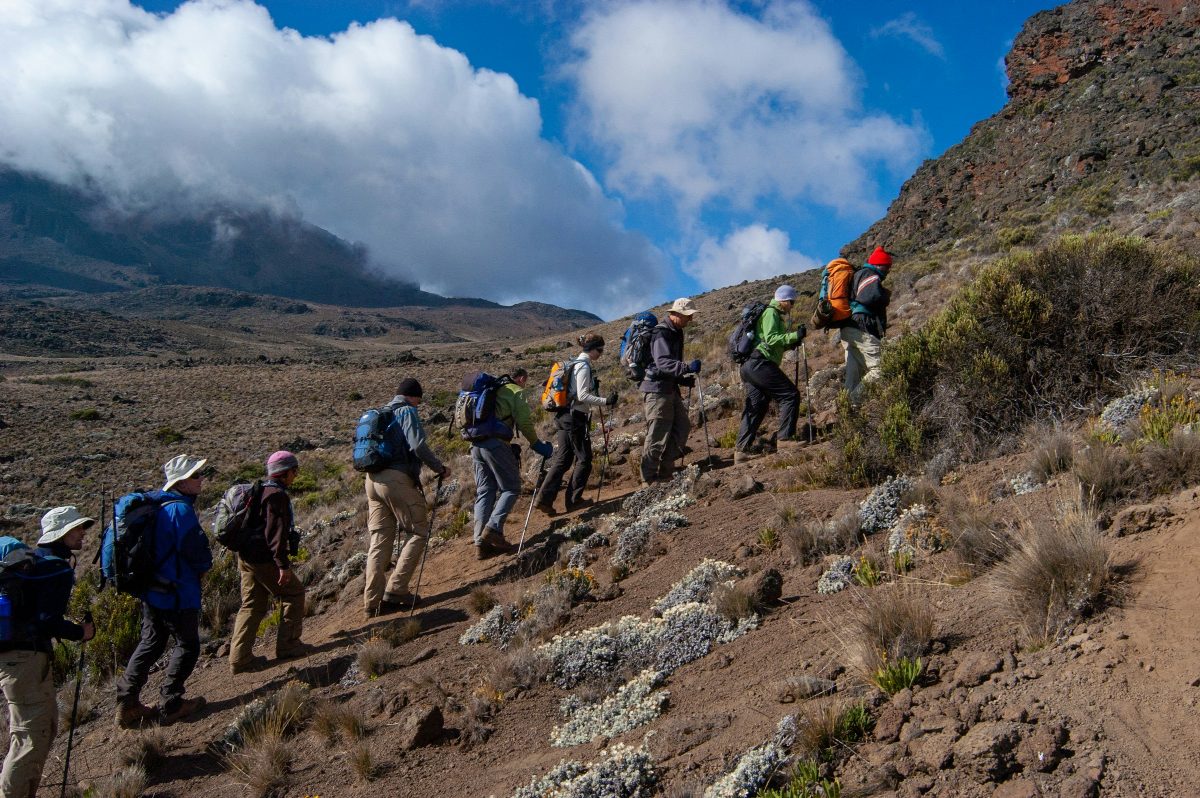
Go for neutral colours, because bright white and black both stand out. Long sleeves and long trousers for the evenings, which is about mosquitoes, not modesty. A hat with a brim. Comfortable closed shoes. You won't need hiking boots unless you're walking or climbing.
Camps do laundry, usually every day, so pack for three or four days, not the whole trip.
Health and the little things
High-factor sun cream, insect repellent, any personal medication in its original packaging, and a small first-aid kit. Talk to a travel clinic about antimalarials and vaccinations well before you go. That's a medical conversation, not one for a website.
What you can leave at home
A drone, unless you've got a permit. They're not allowed in Tanzanian national parks without one. Camouflage clothing, which is restricted in several East African countries. Most of the gadgets. And single-use plastic bottles, which are banned in the parks anyway.