

Private Tanzania safaris from Arusha: The Guide
Your own guide, your own vehicle, and a trip built around the days you actually have. We live here, so let us show you around — at your pace.
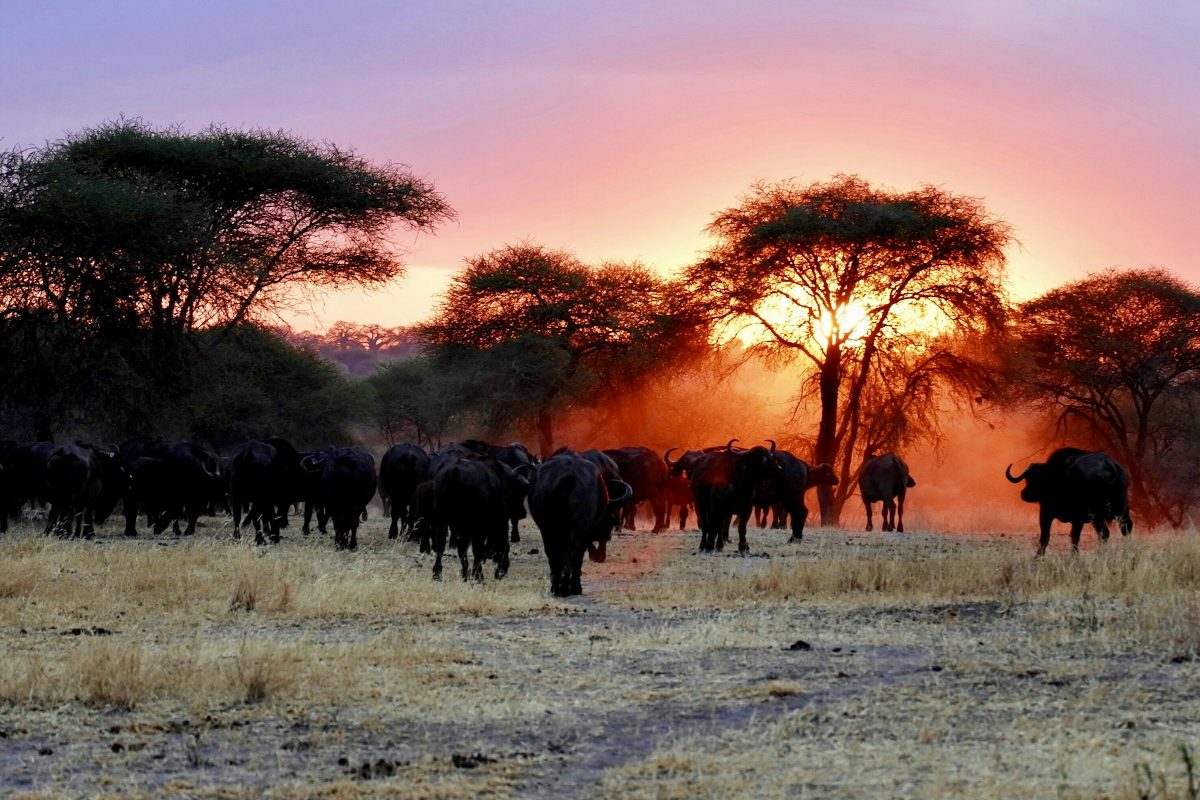
Buffalo coming off the floodplain at dusk in Tarangire.
The first view of the crater floor from the rim road, about 600 metres above where you are going.
A crossing builds for hours and then happens in minutes. Nobody can tell you when.
The last half hour of light, when the plains go copper and the air finally cools.
Kilimanjaro makes its own weather, and shows itself on its own schedule.
We're a small team of Tanzanian guides and trip planners. No off-the-shelf packages here — every route is planned for one group: yours.
Unsplash
The Guide Safaris
Unsplash
Unsplash
Unsplash
Your guide matters more than your lodge.
Ask anyone back from safari what they remember. It's rarely the room. It's the guide who knew the lions had moved north overnight, which track turns to mud after rain, and when to switch off the engine and just let you watch.
That's why we do things this way. We're Tanzanian, our guides live where they work, the vehicles are our own, and no itinerary gets pulled off a shelf.
The Guide Safaris
Seven parks, and each one does something the others can't.
Tip from us: the right mix beats squeezing in one more park. Not sure which ones? That's exactly what we're here for.

Serengeti
Fourteen thousand square kilometres, and the herds decide where the action is.
Explore
Ngorongoro
Picture a collapsed volcano twenty kilometres across, with walls on every side.
Explore
Tarangire
Giant baobabs, and more elephants than anywhere else on the circuit.
Explore
Lake Manyara
A narrow strip of forest, lake and escarpment, packed into one easy morning.
Explore
Arusha NP
Mount Meru, crater lakes, and walking safaris less than an hour from town.
Explore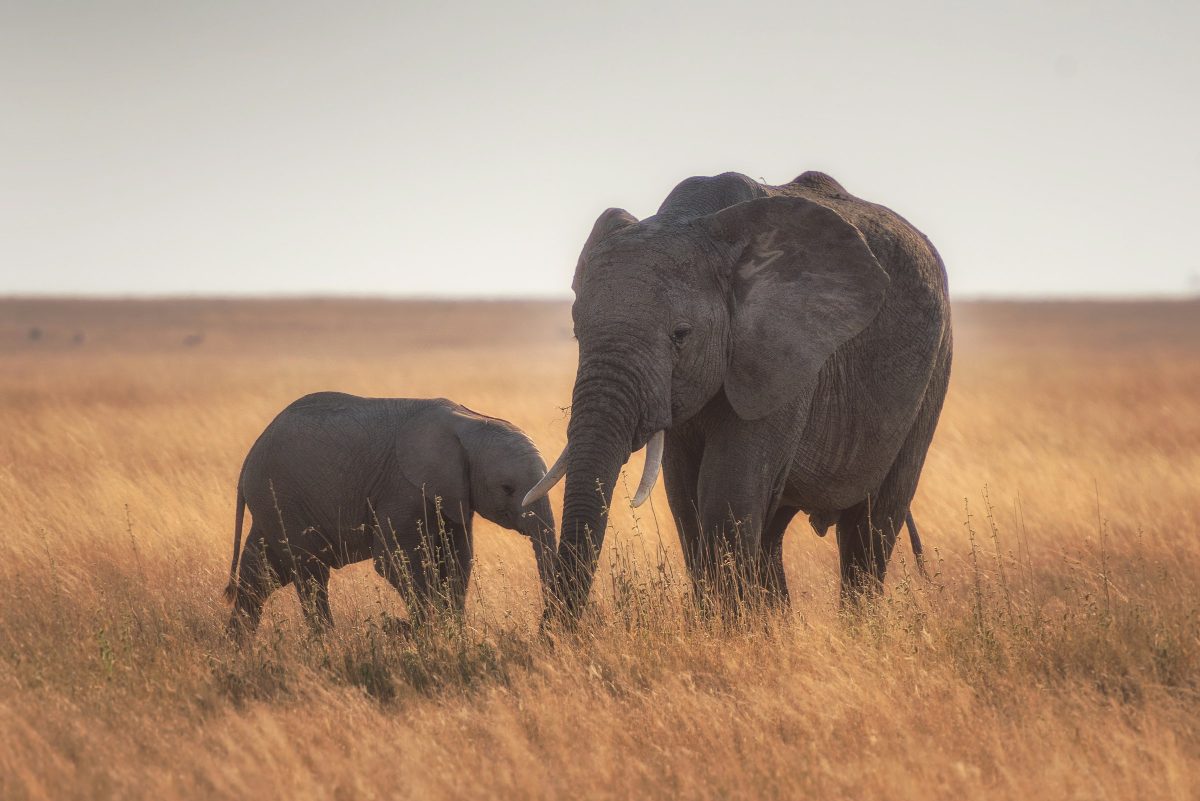
Nyerere
Boat safaris, walking safaris, and hardly another vehicle in sight.
ExploreThink of these as a first draft.
Found one you like? Tell us your dates, your pace and the kind of camps you enjoy, and we'll reshape it around you.

8-Day Tembo Safari
- Itinerary
- Tarangire · Lake Manyara · Ngorongoro · Serengeti
Eight days built around time with the animals: two full days in the Serengeti, a trip down into the crater, and Tarangire's big elephant herds.

7-Day Family Safari
- Itinerary
- Tarangire · Lake Manyara · Serengeti · Ngorongoro
Seven days paced for families: Tarangire, Lake Manyara, the Serengeti and the Ngorongoro Crater, without the long drives that make kids hate safaris.

6-Day Chui Safari
- Itinerary
- Lake Manyara · Serengeti · Ngorongoro
Six days across Lake Manyara, the Serengeti and the Ngorongoro Crater. It's the shortest trip we're happy to recommend.
9-Day Great Migration Safari
- Itinerary
- Tarangire · Ngorongoro · Serengeti
Nine days built around wherever the migration really is: the southern plains for calving, or the northern rivers for the crossings.

11-Day Safari & Zanzibar
- Itinerary
- Tarangire · Ngorongoro · Serengeti
The northern circuit, followed by four nights on the Zanzibar coast. It's the combination most people wish they'd booked!
Four promises we keep on every trip.
Guided by Tanzanians
Your guide lives here all year round. Not a driver who got handed your booking the morning you land.
Private, always
It's your vehicle and your guide. Want to leave early, stay longer at a sighting, or turn around? Just say so.
Places we know
We only book you somewhere we've stayed ourselves, and we'll tell you why we picked it over the place next door.
Always a call away
One number, answered by someone who knows your trip inside out, from your first email until you fly home.
The herds never stop. So where should you be?
Around two million wildebeest, zebra and gazelle loop the Serengeti all year, chasing the rain and fresh grass. The real question is where to stay in the month you travel. Pick a month and we'll show you where the herds usually are.
Southern Serengeti & Ndutu
You'll find them on the short-grass plains around Ndutu and the Salei plains.
- What is happening
- Herds gathering before calving
- Herd behaviour
- Huge crowds on the fresh grass, and plenty of heavily pregnant females.
- Weather
- Warm with short storms
- Where to be
- Ndutu · Southern Serengeti
Remember, the herds follow rainfall, not a calendar. This is where they usually are this month, based on recent years. Think of it as a planning guide, never a guarantee of what you'll see.
Ndutu & the southern plains
They're gathered on the short grass between Ndutu and the Ngorongoro Conservation Area boundary.
- What is happening
- Peak calving
- Herd behaviour
- Roughly half a million calves born in about three weeks, and predators everywhere you look.
- Weather
- Warm, humid, afternoon rain
- Where to be
- Ndutu · Kusini · Southern Serengeti
Remember, the herds follow rainfall, not a calendar. This is where they usually are this month, based on recent years. Think of it as a planning guide, never a guarantee of what you'll see.
Southern & central Serengeti
Still in the south, but starting to spread out and drift west.
- What is happening
- Calving ends, and columns start to form
- Herd behaviour
- The herds start moving, and the rut begins.
- Weather
- Hot, and getting wetter
- Where to be
- Ndutu · Seronera
Remember, the herds follow rainfall, not a calendar. This is where they usually are this month, based on recent years. Think of it as a planning guide, never a guarantee of what you'll see.
Central & western Serengeti
Moving north-west through the central woodland.
- What is happening
- The big move gets going
- Herd behaviour
- Long columns on the move, and the rut carries on.
- Weather
- The wettest month
- Where to be
- Seronera · Moru
Remember, the herds follow rainfall, not a calendar. This is where they usually are this month, based on recent years. Think of it as a planning guide, never a guarantee of what you'll see.
Western corridor
Heading towards the Grumeti River.
- What is happening
- Approaching the Grumeti
- Herd behaviour
- Columns of animals stretching for kilometres.
- Weather
- Rain easing off
- Where to be
- Western Corridor · Grumeti
Remember, the herds follow rainfall, not a calendar. This is where they usually are this month, based on recent years. Think of it as a planning guide, never a guarantee of what you'll see.
Grumeti River
Along the Grumeti, in the western corridor.
- What is happening
- Grumeti crossings possible
- Herd behaviour
- Massing at the river, where the crocodiles are huge.
- Weather
- Dry season beginning
- Where to be
- Grumeti · Western Corridor
Remember, the herds follow rainfall, not a calendar. This is where they usually are this month, based on recent years. Think of it as a planning guide, never a guarantee of what you'll see.
Northern Serengeti
Pushing north towards the Mara River.
- What is happening
- First Mara crossings
- Herd behaviour
- The herds build up at the river, sometimes for days, then cross without any warning.
- Weather
- Dry and clear
- Where to be
- Kogatende · Lamai
Remember, the herds follow rainfall, not a calendar. This is where they usually are this month, based on recent years. Think of it as a planning guide, never a guarantee of what you'll see.
Northern Serengeti & Mara River
Gathered around Kogatende and the Lamai wedge.
- What is happening
- Peak crossing season
- Herd behaviour
- Crossing again and again, in both directions. Nothing about the timing is predictable.
- Weather
- Dry, with cool mornings
- Where to be
- Kogatende · Lamai · Mara River
Remember, the herds follow rainfall, not a calendar. This is where they usually are this month, based on recent years. Think of it as a planning guide, never a guarantee of what you'll see.
Northern Serengeti
Still up north, with some herds crossing into the Masai Mara.
- What is happening
- Crossings continue
- Herd behaviour
- The herds split between the northern Serengeti and Kenya.
- Weather
- Dry and dusty
- Where to be
- Kogatende · Lamai
Remember, the herds follow rainfall, not a calendar. This is where they usually are this month, based on recent years. Think of it as a planning guide, never a guarantee of what you'll see.
Northern Serengeti, beginning to turn
Starting the journey back south.
- What is happening
- The return begins
- Herd behaviour
- The herds drift south as the short rains get closer.
- Weather
- Hot and dry, with the first rain late in the month
- Where to be
- Lobo · Kogatende
Remember, the herds follow rainfall, not a calendar. This is where they usually are this month, based on recent years. Think of it as a planning guide, never a guarantee of what you'll see.
Eastern & central Serengeti
Moving south through Lobo and Seronera.
- What is happening
- Heading south
- Herd behaviour
- Following the fresh grass after the short rains.
- Weather
- Short afternoon showers
- Where to be
- Lobo · Seronera
Remember, the herds follow rainfall, not a calendar. This is where they usually are this month, based on recent years. Think of it as a planning guide, never a guarantee of what you'll see.
Southern Serengeti & Ndutu
Arriving back on the short-grass plains.
- What is happening
- Back to the calving grounds
- Herd behaviour
- The herds spread out across the southern plains.
- Weather
- Warm and green
- Where to be
- Ndutu · Southern Serengeti
Remember, the herds follow rainfall, not a calendar. This is where they usually are this month, based on recent years. Think of it as a planning guide, never a guarantee of what you'll see.
It's right there in the name.
We named the company after the one job that decides whether your week works.
-
01
They live here
Our guides are Tanzanian. Between trips they're at home, not waiting on the next contract. The Serengeti isn't a posting for them.
-
02
They read the ground
Tracks, dung, alarm calls, which tree a leopard likes in which month. That's the difference between finding the animal and driving right past it.
-
03
They know when to wait
The best sightings come from staying put, not racing around. A guide who'll happily sit with you for an hour beats one who ticks off five parks.
-
04
They'll be straight with you
On the mountain and off it. Sometimes the best guide is the one who tells you what you'd rather not hear.
So, when should you go?
Honestly? It depends on what you want to see! Every month has its perks and a few trade-offs. Tap through and find the one that fits you.
The southern Serengeti plains are green and packed with animals. Predators follow the gathering herds, and the Ngorongoro Crater is at its best before the long rains arrive.
- Weather
- Hot and mostly dry, with the odd afternoon storm. Expect 28–30°C on the plains.
- Game viewing
- Very good. The herds are on the southern short-grass plains, and calving is just around the corner.
- How busy
- Busy over New Year, then quieter
Around half a million wildebeest calves are born on the southern plains in roughly three weeks. Nothing else in the year draws in predators quite like it. If big cats are the one thing you care about, this is your month!
- Weather
- Warm and humid, with short afternoon storms. The grass is green and short.
- Game viewing
- Exceptional for predator action.
- How busy
- Moderate
The last reliable month before the long rains. It's green, quiet and good value, and the herds are still in the south, just starting to drift.
- Weather
- Hot and getting more humid, with rain becoming more frequent later in the month.
- Game viewing
- Good, thinning out towards the end of the month.
- How busy
- Quiet
We'll be honest with you: April is the hardest month to sell and the hardest to guide. But it's also the cheapest, the greenest and the emptiest. If you don't mind a bit of rain and mud, it can be excellent value.
- Weather
- The wettest month. Heavy afternoon rain, and some roads get tricky.
- Game viewing
- Variable. Some camps close.
- How busy
- Very quiet
The rains taper off, and the migration starts moving through the western corridor. Prices are low, and you'll have the parks almost to yourself.
- Weather
- The rain eases through the month, and the landscape is at its greenest.
- Game viewing
- Getting better. The herds are moving north and west.
- How busy
- Very quiet
The dry season gets going properly. The animals in Tarangire start gathering along the river, and the herds push towards the Grumeti in the west.
- Weather
- Dry, with cool mornings and comfortable days. Very little rain.
- Game viewing
- Very good, and getting better.
- How busy
- Building
The classic month. River crossings become possible up north, Tarangire is full of elephants, and visibility is at its best everywhere.
- Weather
- Dry and clear. Cold at dawn, and properly cold on the crater rim.
- Game viewing
- Excellent.
- How busy
- Busy
This is when Mara River crossings are most likely. Our tip? Book camps in the northern Serengeti well in advance, or be ready for a long drive to reach them.
- Weather
- Dry and clear, with cool mornings.
- Game viewing
- Excellent.
- How busy
- Busiest month
Our own favourite month, if we're honest! The crossings carry on, the crowds thin out, and the southern parks are at their peak.
- Weather
- Dry, warming up, and very dusty.
- Game viewing
- Excellent, with fewer people than August.
- How busy
- Busy but easing
The last of the dry season. Everything revolves around the remaining water, which makes for concentrated, predictable game viewing.
- Weather
- Hot and very dry, until the short rains arrive late in the month.
- Game viewing
- Very good. The animals gather around the water.
- How busy
- Moderate
The short rains usually mean an hour of rain in the afternoon, not a washout. The herds head south again, and the light after a storm is the best of the whole year.
- Weather
- Short, sharp afternoon showers. They rarely get in the way.
- Game viewing
- Good. The plains turn green again fast.
- How busy
- Quiet
The herds arrive back on the southern plains. Christmas and New Year book out early, and they're the most expensive time of the whole year.
- Weather
- Warm and green, with the odd shower.
- Game viewing
- Very good, and getting better through the month.
- How busy
- Very busy from mid-December
How do you like to travel?
Luxury Safaris
Small camps, great guides, and far fewer people.
Classic Safaris
The northern circuit, done properly.
Family Safaris
Shorter drives, swimming pools and patient guides.
Honeymoon Safaris
Bush first, then beach.
Private Safaris
Your vehicle, your guide, your pace.
Great Migration Safaris
Planned around the month, not around what's convenient.
Curious what our guests say?
The best place to find out is where they wrote it. We don't copy reviews onto our own site or post a score here. You'll trust them more on a platform that can check the guest actually travelled.
Got a few extra days? End your safari on the roof of Africa or on a Zanzibar beach. Or do both, if you're feeling brave.