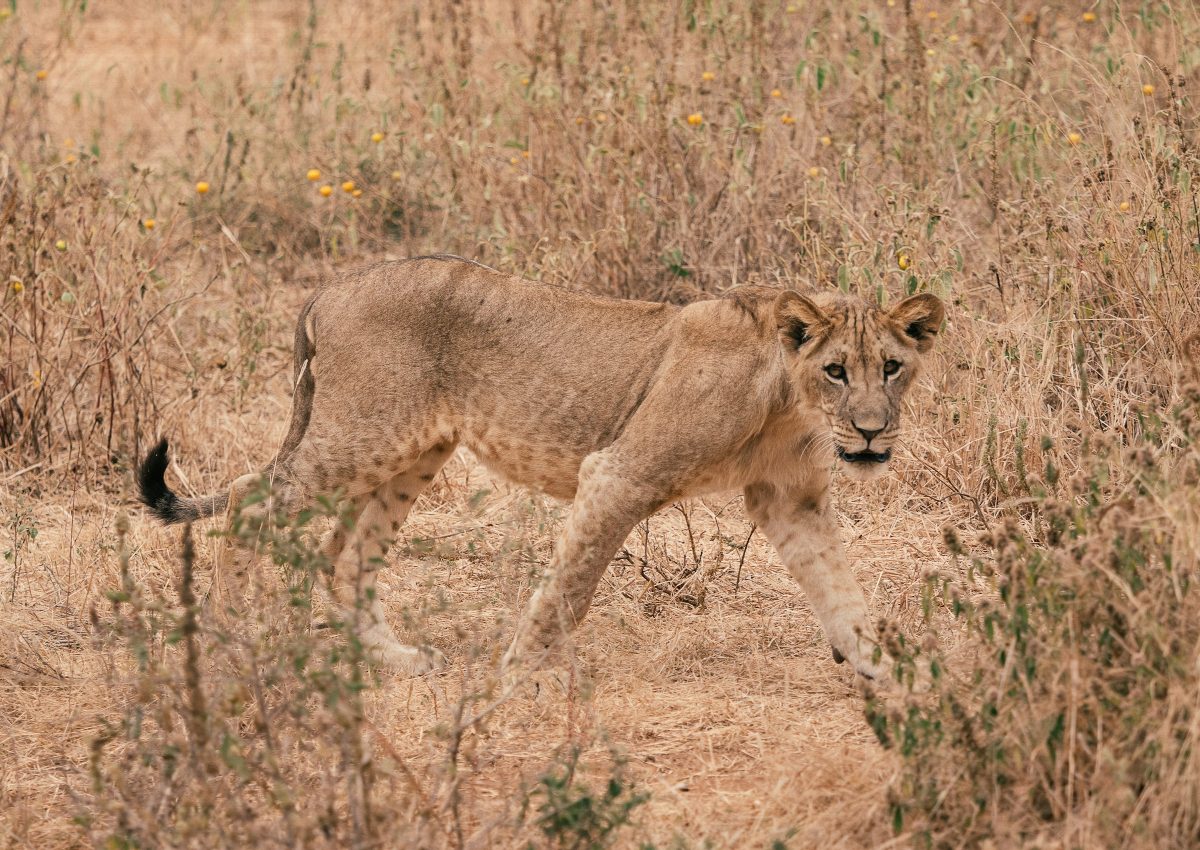
If you have been on safari before and want something genuinely hard to see, this is it. African wild dogs are among the most endangered large carnivores on the continent, and Tanzania holds one of the most important remaining populations.
Why they're rare
They need enormous ranges, a single pack covering hundreds of square kilometres, which makes them the first species to disappear when land is fragmented. They're also vulnerable to diseases carried by domestic dogs, and historically they were shot as vermin. Large, connected protected areas are essentially the only places they survive.
Where to look
Nyerere National Park and the wider Selous ecosystem, in the south, is the stronghold and the best place in the country.
Ruaha, also in the south, holds good numbers across a huge, wild landscape.
Elsewhere they turn up occasionally and unpredictably. They are sometimes recorded in the Serengeti ecosystem and around Loliondo, and planning a northern-circuit trip around seeing one is planning around luck.
When to go
Denning season, which falls roughly in the middle of the year in the southern parks, is the one time a pack stays in one place. For several weeks the adults return to a fixed den with pups, which turns a nomadic animal into a findable one. Outside denning, a pack might cover twenty kilometres before breakfast and finding them is a matter of radio calls and fresh tracks. The dry months from June to October are the better half of the year either way.
What a sighting is like
Fast. They hunt at dawn and dusk at a steady lope, as a coordinated group, and the success rate of a wild dog hunt is far higher than a lion's. At a den you get the opposite: pups, play, greeting ceremonies, and adults regurgitating food for the whole pack including the ones that stayed behind. They're intensely social, and watching them is nothing like watching cats.
Be honest with yourself about the odds
Even in Nyerere in the right month, nobody can promise you a pack. Go for a southern safari you'd enjoy regardless, with wild dogs as the thing that would make it, and tell your guide on day one that they're your priority. It changes how the week is driven.
If you do see them
Tell your guide to log it. Sightings in these parks feed into monitoring work, and a pack's movements matter to the people trying to keep them alive. Keep your distance at a den, which is the one place a pack is genuinely vulnerable, and let the guide decide how close is acceptable rather than asking for one more metre.
How to recognise one
Nothing else looks like them. Lean, long-legged, with enormous rounded ears and a mottled coat of black, tan and white that's different on every individual, which is how researchers tell them apart. The Latin name means painted wolf, and in the field that's exactly what they look like.